
Discovery & dependency mapping
We inventory stored procedures, batch jobs, and application connection strings that still point at the legacy database so cutover day does not surface hidden readers.
Process-led work: each phase produces artifacts your engineering leads can review—schema maps, rollback notes, and integration test evidence—before you authorize the next slice of effort.
We inventory stored procedures, batch jobs, and application connection strings that still point at the legacy database so cutover day does not surface hidden readers.
Dual-write or change-data-capture paths are exercised with row-count and checksum checks between old and new stores before DNS or connection pools flip.
API and message-bus consumers are regression-tested against the migrated schema, including idempotency keys and retry semantics your operations team expects.
Migration consulting is not a template install—it is negotiated scope around your downtime window, compliance constraints, and the order in which services may stop writing to the old cluster.

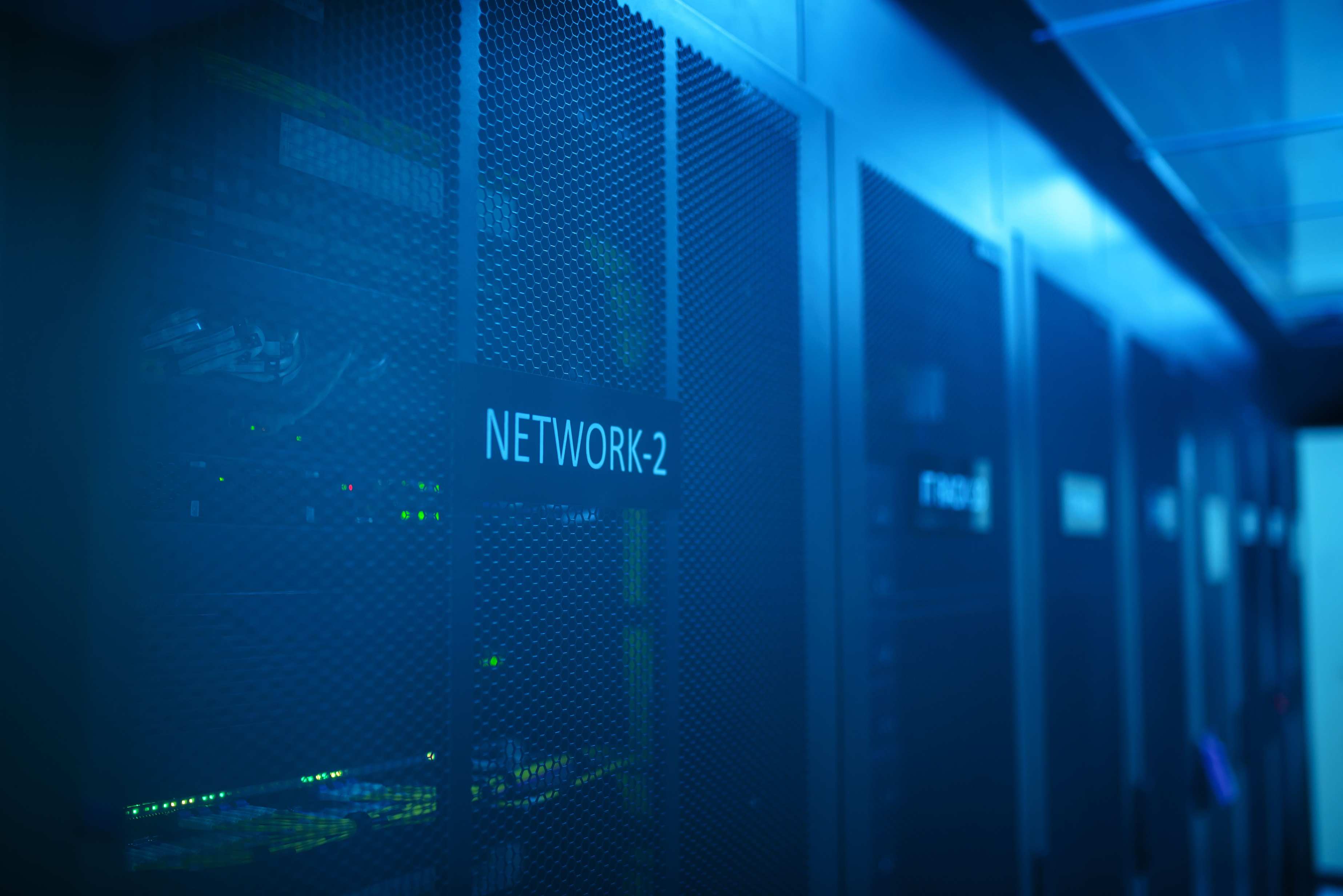
Hardware and storage layers we document when planning lift-and-shift versus refactor-in-place strategies.
Each gate ends with a written sign-off checklist—no gate is skipped because a deadline moved.
Types, indexes, and constraints are compared; intentional differences are logged as migration exceptions.
Representative batch and OLTP workloads run against the target with timing notes captured for capacity planning.
Downstream services validate payloads against published contracts; breaking changes trigger a coordinated release plan.
Operators rehearse reverting connection strings and replaying queues within the agreed maintenance window.

Teams moving PostgreSQL, MySQL, SQL Server, or cloud-managed equivalents; integrating ERP or warehouse feeds; needing an external lead for cutover weekend execution.
Greenfield product builds with no data to move, unmanaged hosting where we cannot access logs, or requests for guaranteed zero-downtime without investment in rehearsal time.
We quote fixed scope slices after discovery—typically discovery, build, rehearsal, and cutover support as separate purchase orders so you can pause between phases.
Yes. We often pair with your staff on runbooks while we own integration test harnesses and the migration tooling repository.
Workshops are remote by default; on-site sessions in Johor Bahru can be arranged when access to your data hall or office network is required.
Supplier / Syarikat: Data Grove Consulting Sdn. Bhd. (Data Grove Consulting Sdn. Bhd.). No. Pendaftaran SSM: 201901056712.
Share current database engines, approximate data volume, and your target cutover month—we respond with whether discovery can start in your window.